Software, hardware & other rabbit holes
Careful systems,
curious hands.
I'm Darrell. For more than two decades I've built and run the infrastructure under electronic trading, where a bad deploy is never an option. Lately I've been putting AI to work on real systems: reading the logs, querying the data, drafting the next step. I'm deliberate about what it's allowed to change.
Co-pilot, never autopilot.
That rule runs through everything here.
Eight Commodore 64 sound chips. One very satisfying soldering project.← →
01 / The rule
Co-pilot, never autopilot.
The agent reads, correlates, and recommends. A person decides what touches production.
02 / The craft
The hard parts live in the pipeline.
Harness, guardrails, observability. Get those right and the model earns its keep.
03 / The habit
All the way to done.
Shipped, documented, and credited to everyone who helped. Half-finished doesn't count.
01 / Case studies
Ideas that got
out of hand.
A trading terminal, an incident investigator, a little help for my wife's business. Here's what they became, and what I learned building them.
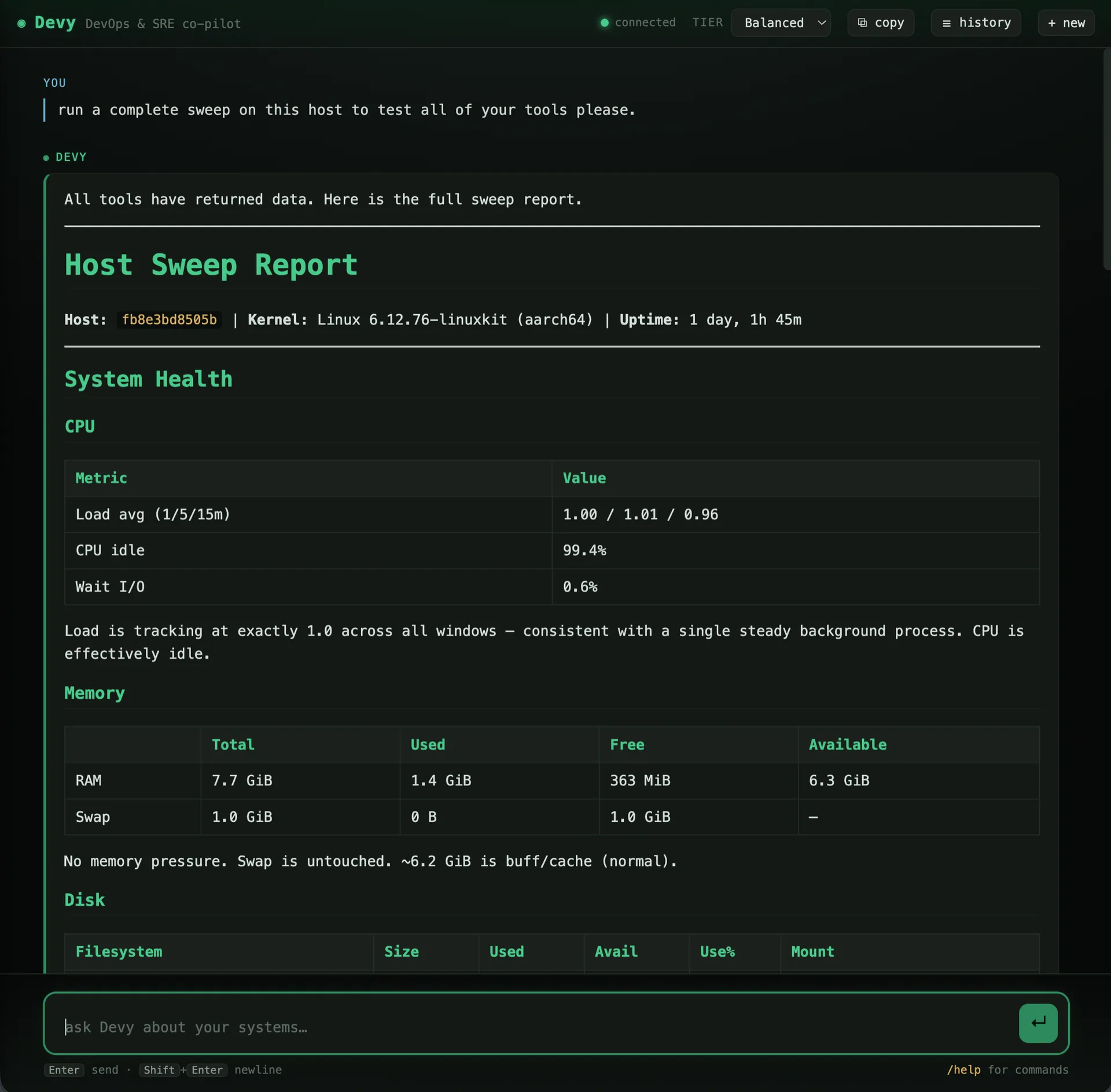
Devy
An open-source incident investigator. It reads your logs, checks your hosts, and finds the runbook you forgot existed. Getting there meant throwing away my first design.
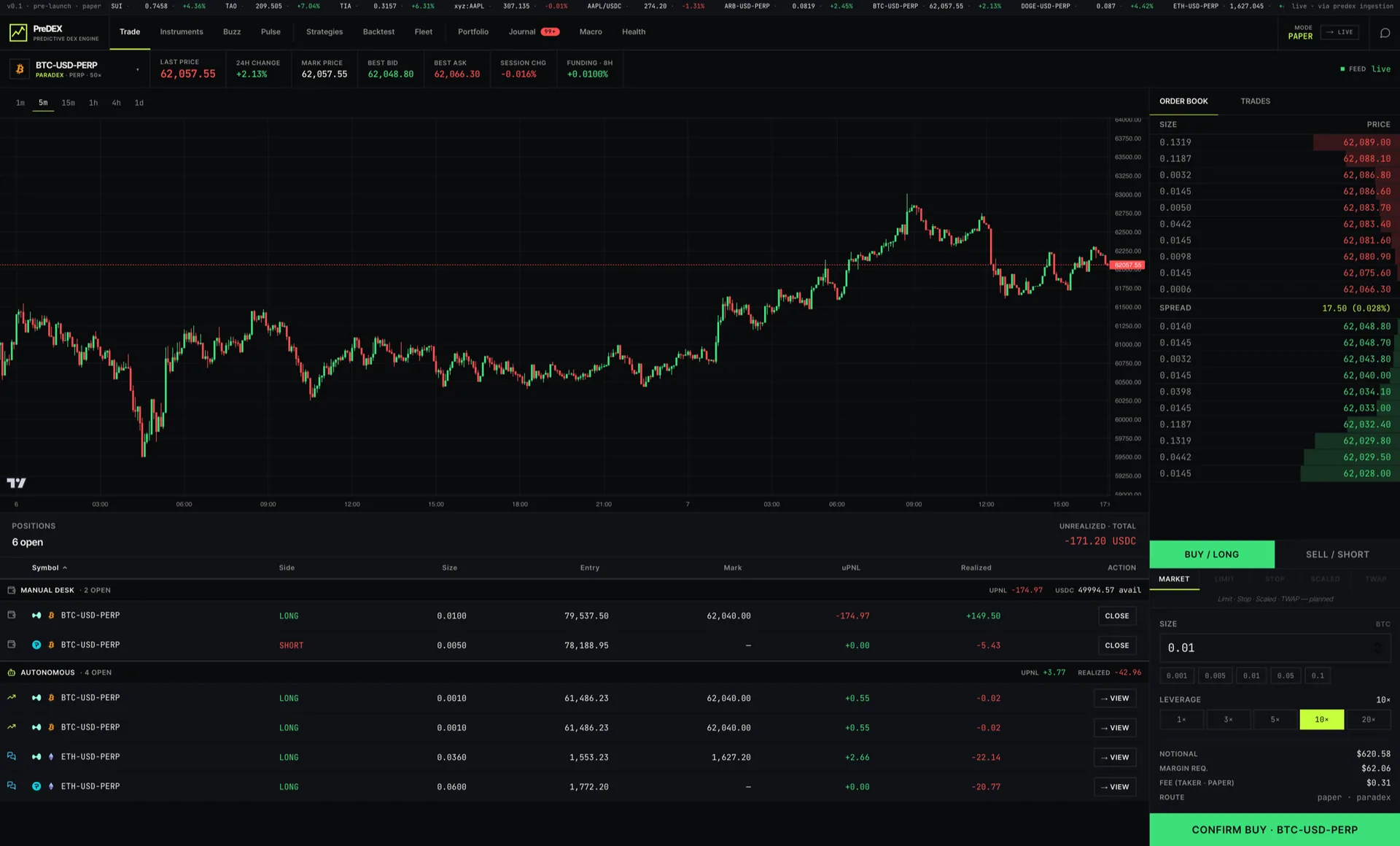
PreDEX
A trading terminal with an AI research partner inside it. Dex can investigate a hunch, build a strategy, and backtest it. Placing an order is a separate matter.
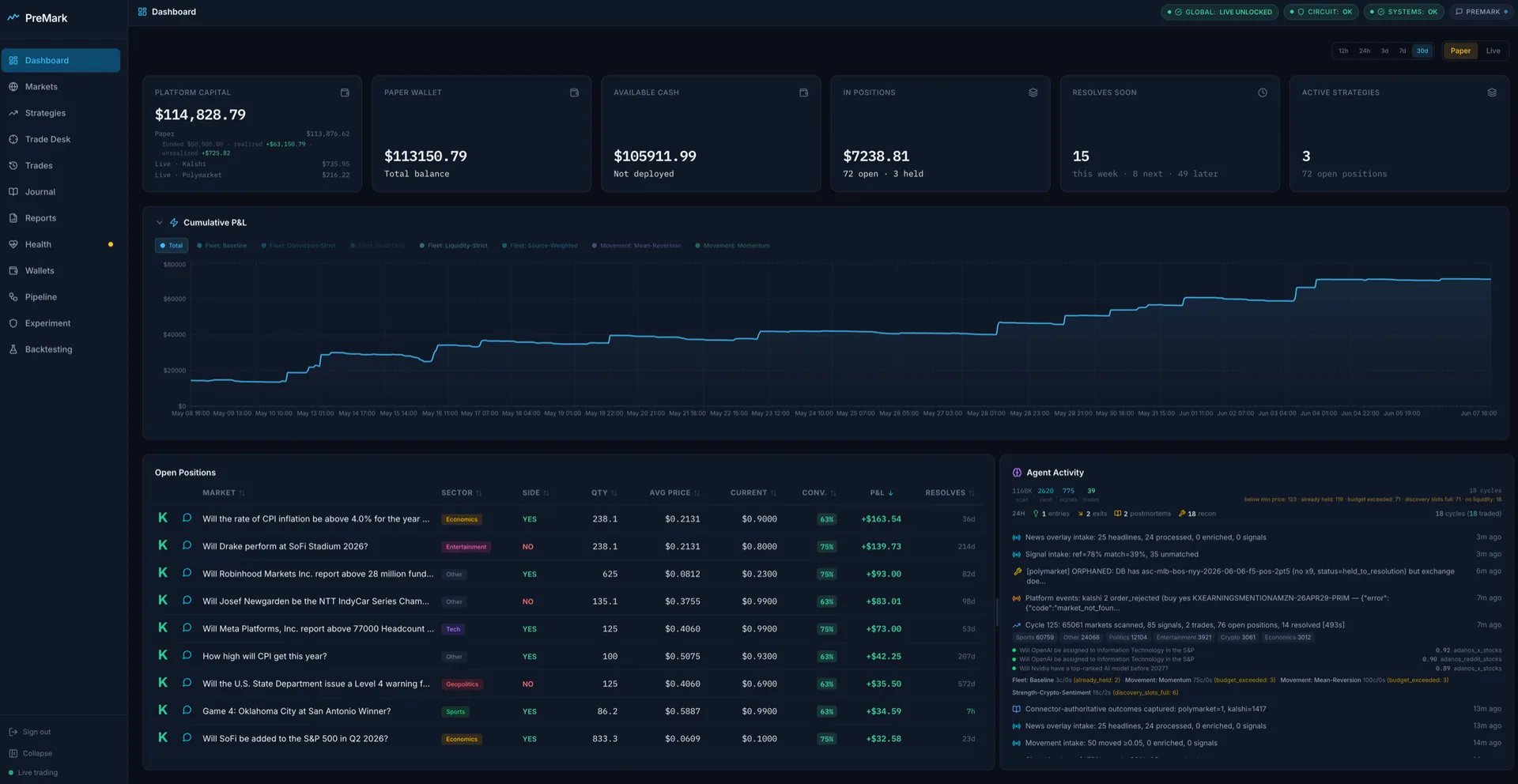
PredMark
An experiment in prediction markets, and in telling a good decision from a lucky result. The uncomfortable part is measuring your own ideas honestly.
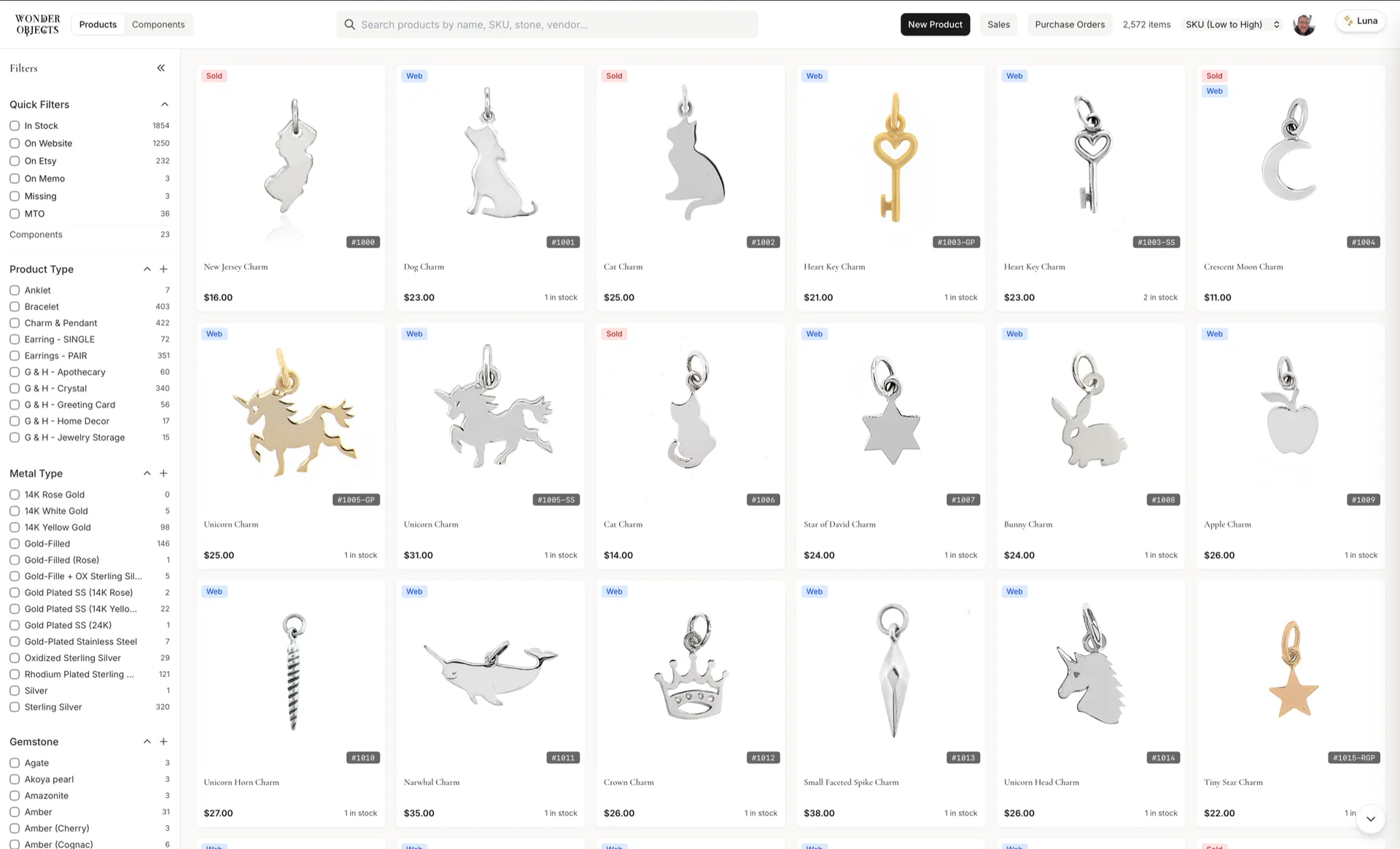
Luna
My wife makes jewelry. I built her a commerce platform, then an assistant to help with inventory, invoices, and the product descriptions she'd rather not write.

Lumen Atelier
I asked an AI to build an art studio. It came back with a system that writes shaders, looks at the results, and sends its own work back for another draft.
02 / On the workbench
Some assembly
required.
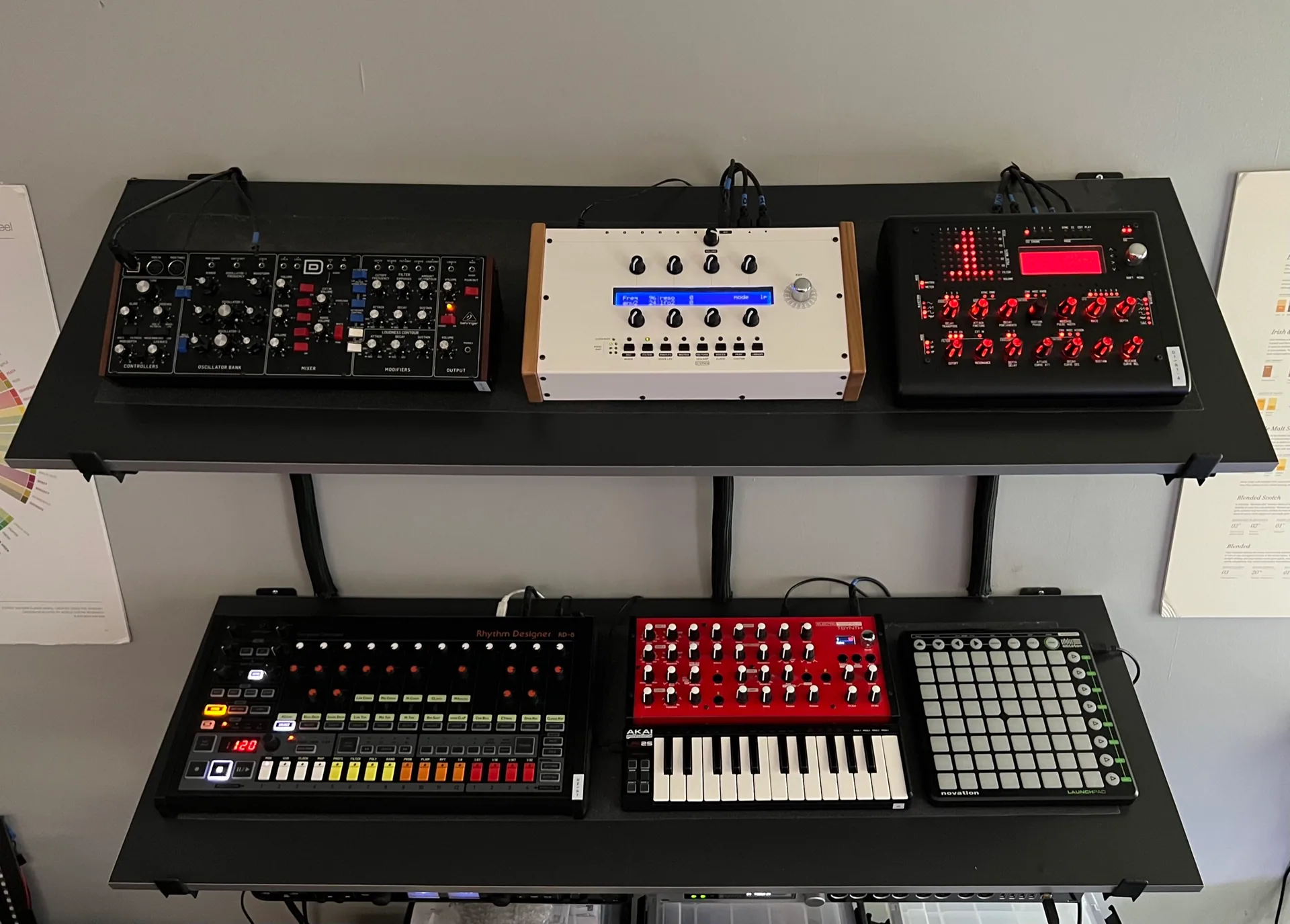
Shorter builds and weekend experiments. I grew up on a Commodore 64, which probably explains the synthesizers, the old chips, and the tendency to take things apart.

CubeLab
A 3D Rubik's Cube I made to teach my son. Repeat a scramble, practice a solve, or let the built-in solver show you the way out.
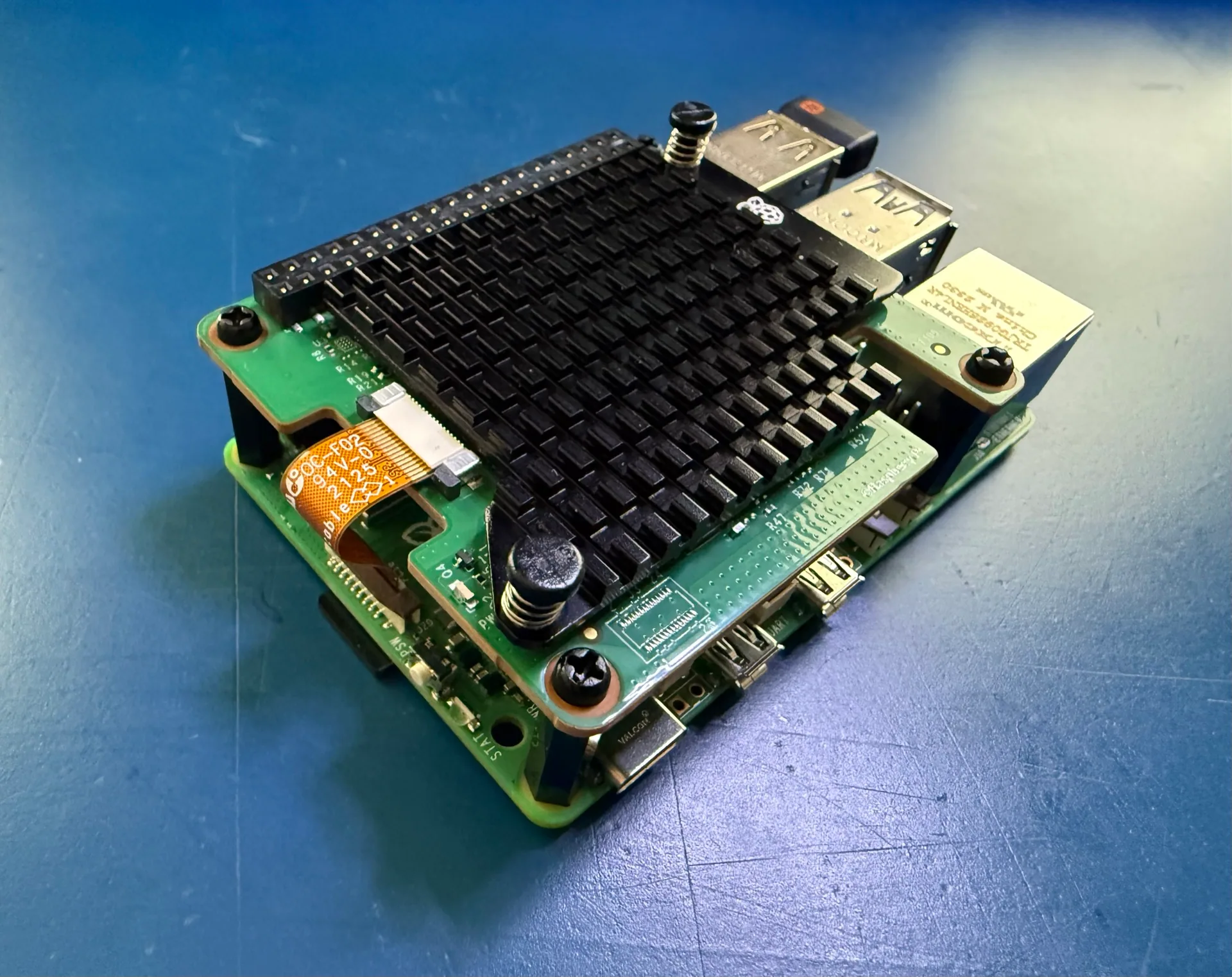
LLM on a Raspberry Pi
A small language model running on a Raspberry Pi 5 and Hailo accelerator. About fifteen tokens a second, with the whole conversation staying on the device.
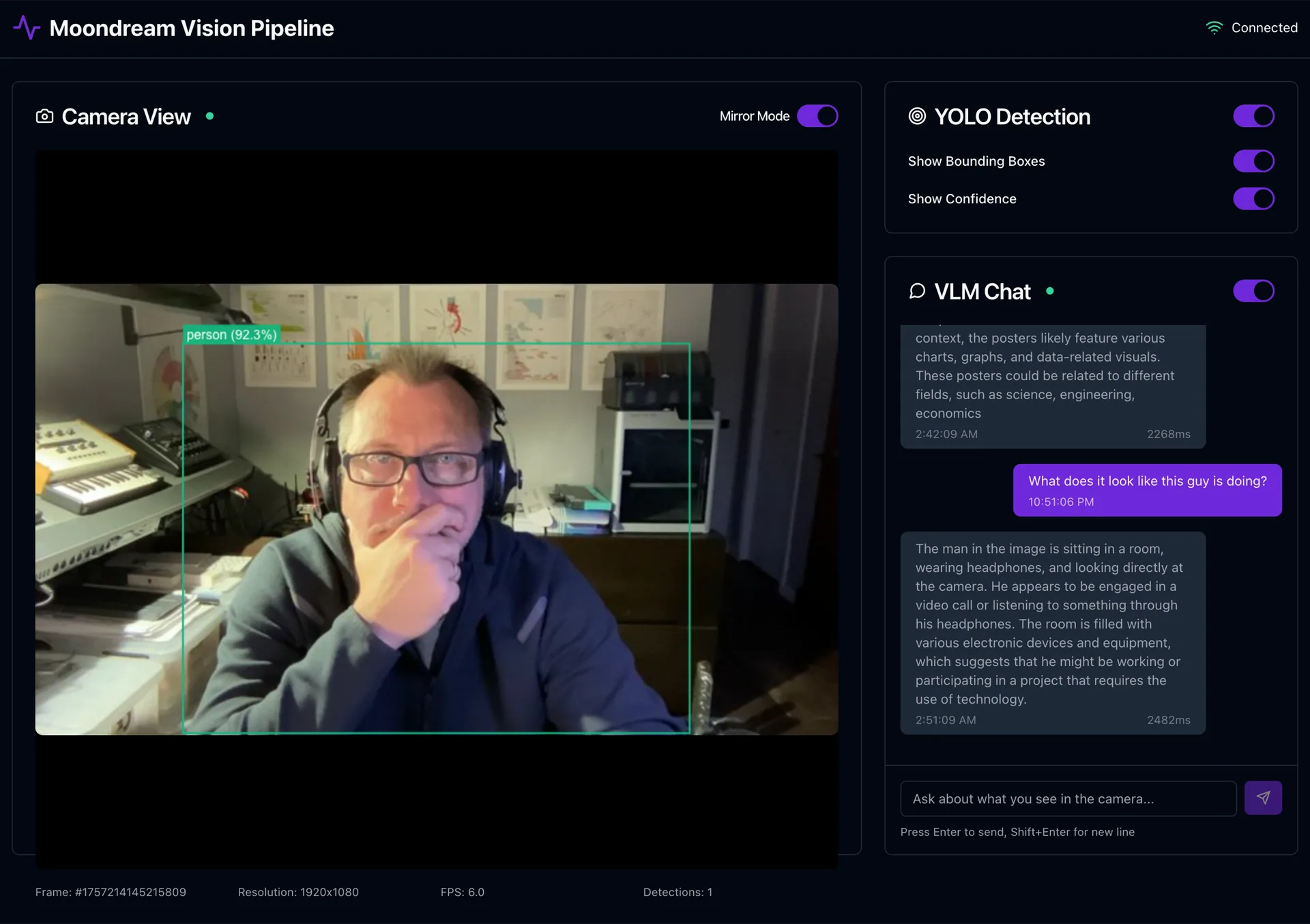
Vision Pipeline
One camera, several models watching. YOLO finds objects while Moondream answers questions about the scene. An early step toward the robotics projects I want to try.
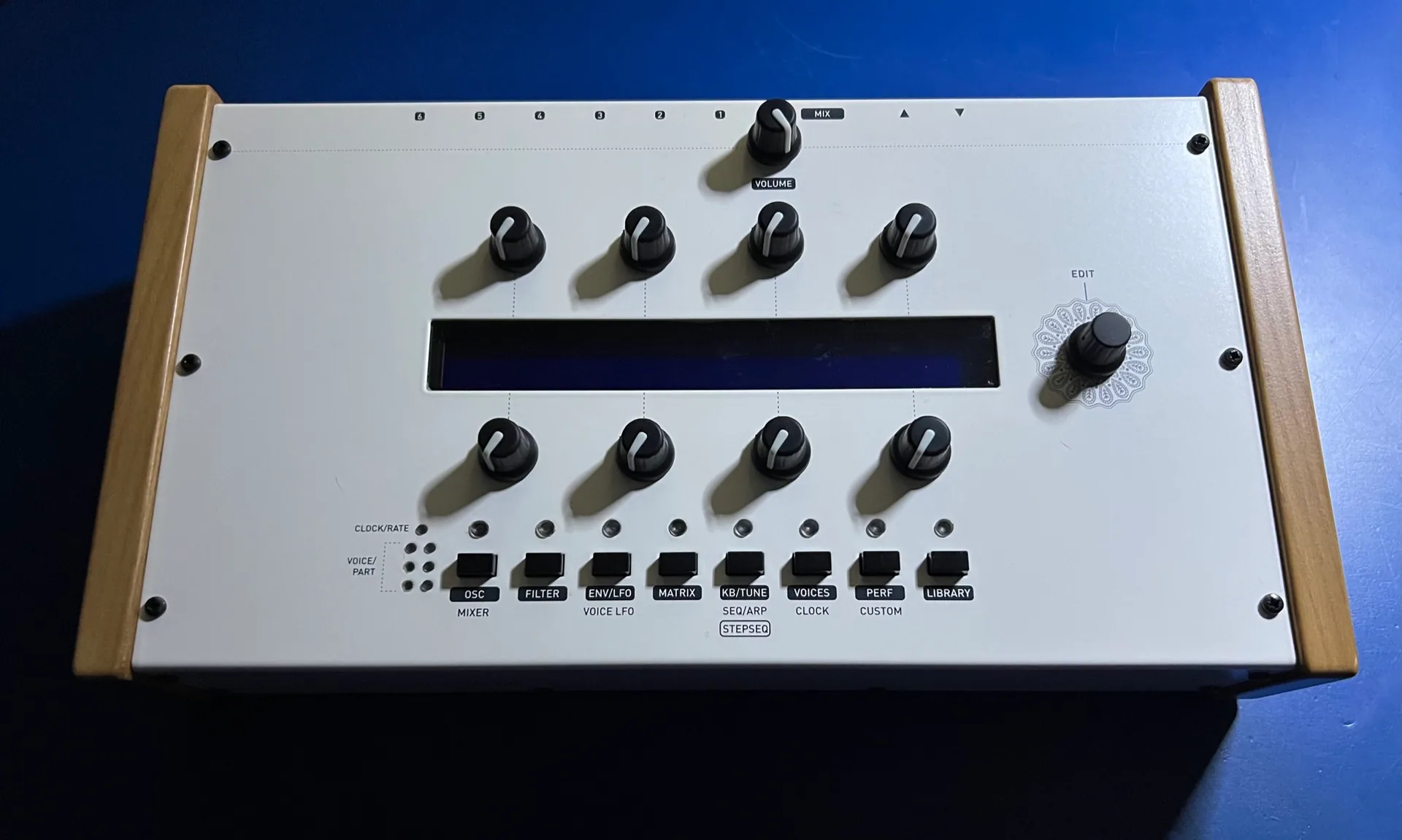
Ambika
My build of Emilie Gillet's six-voice synth: a motherboard, six voicecards, seven flashed microcontrollers, and a white case with wooden cheeks.
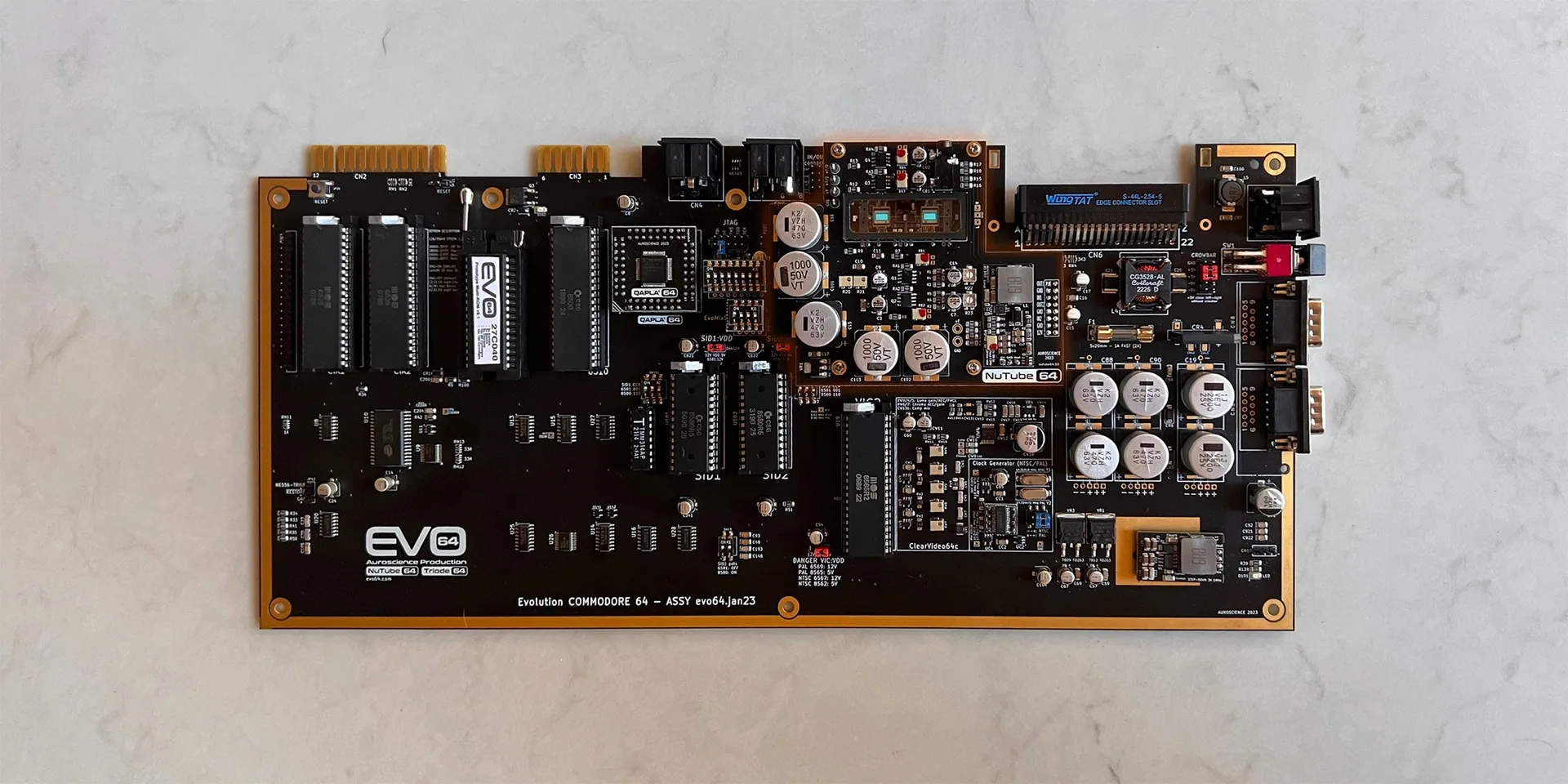
EVO64
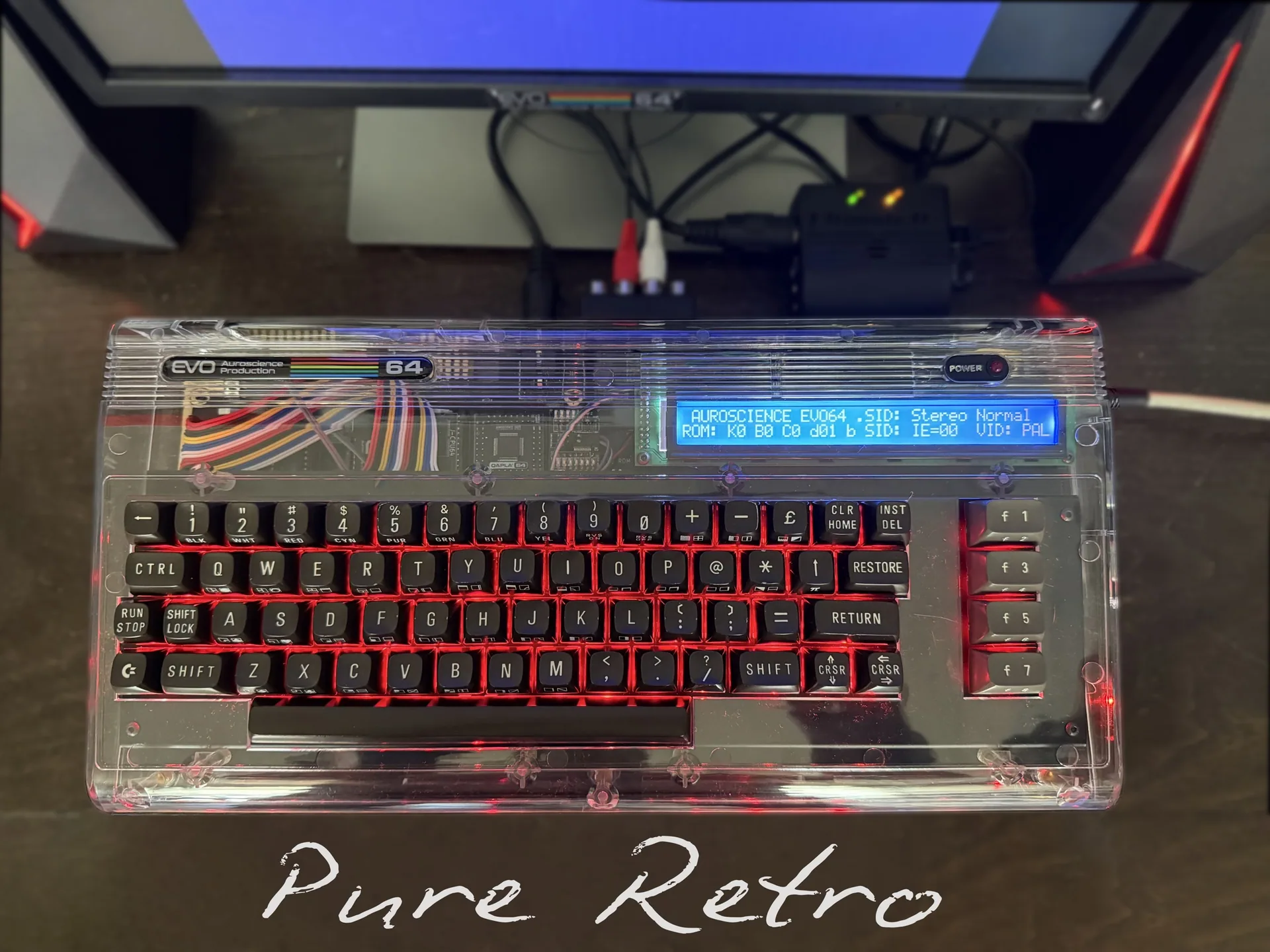
A new motherboard for the machine that started it all. Dr. Stefano designed the electronics; I helped shape the product, wrote the documentation, and built its community support bot.
MB-6582
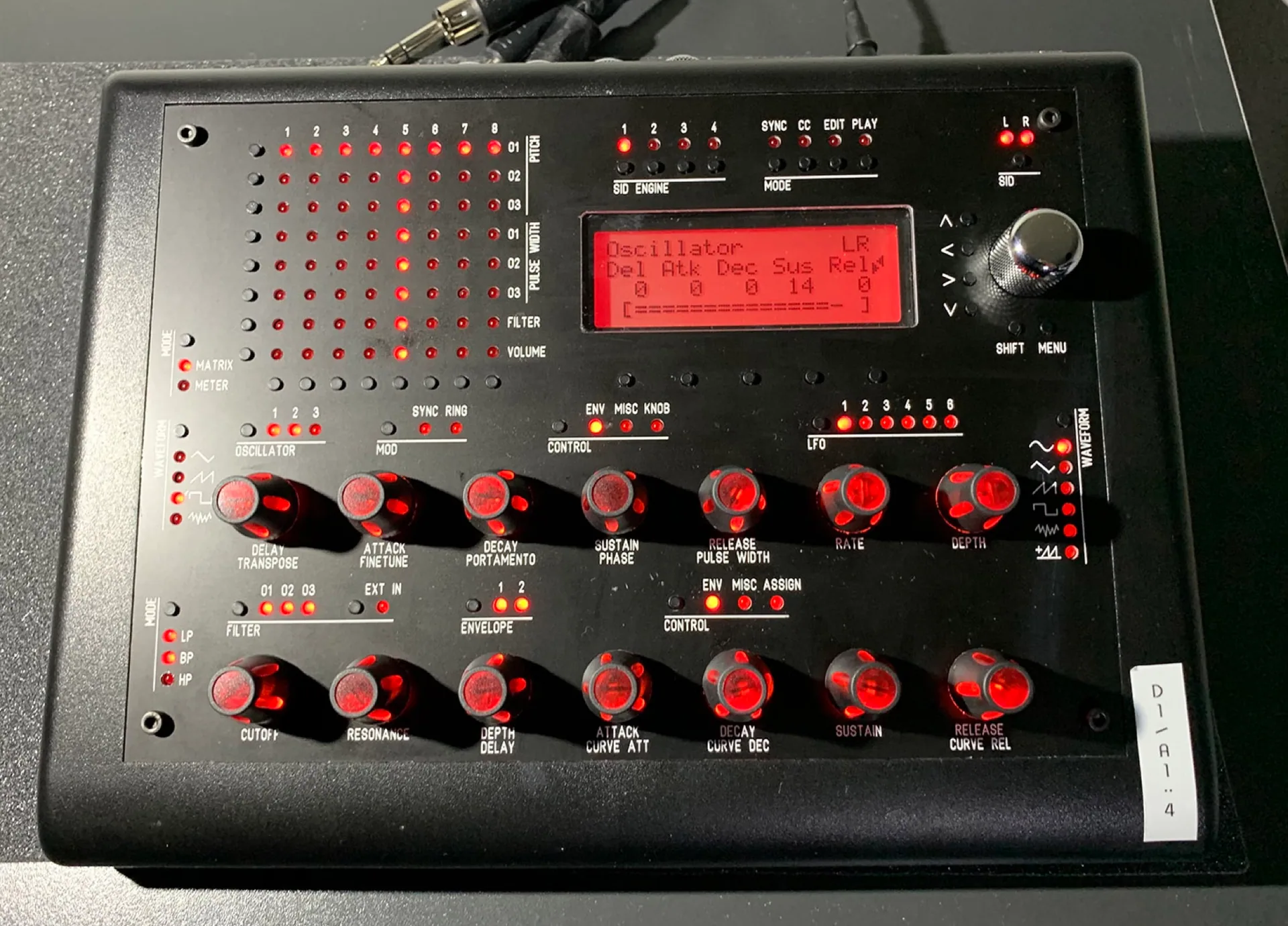
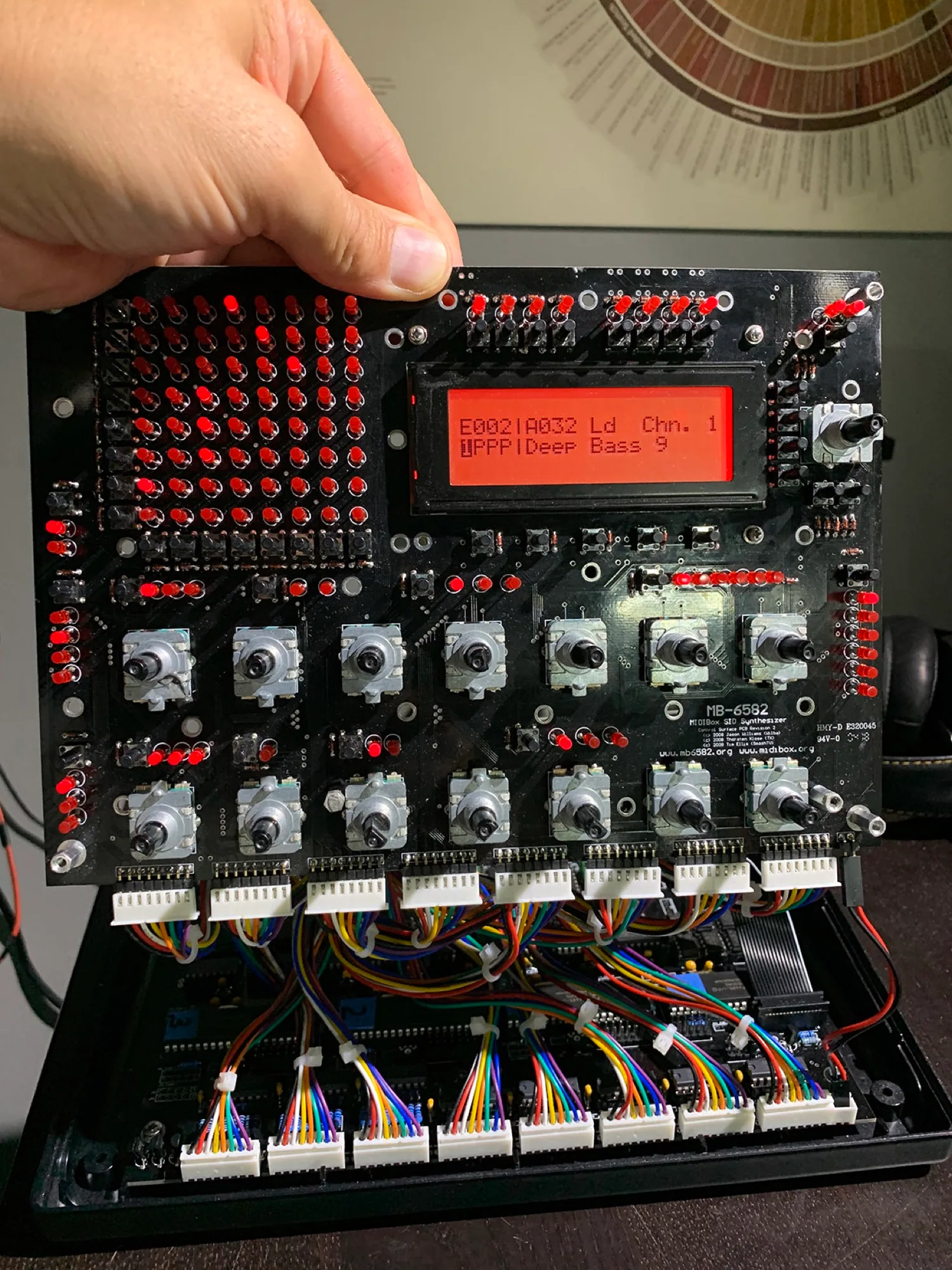
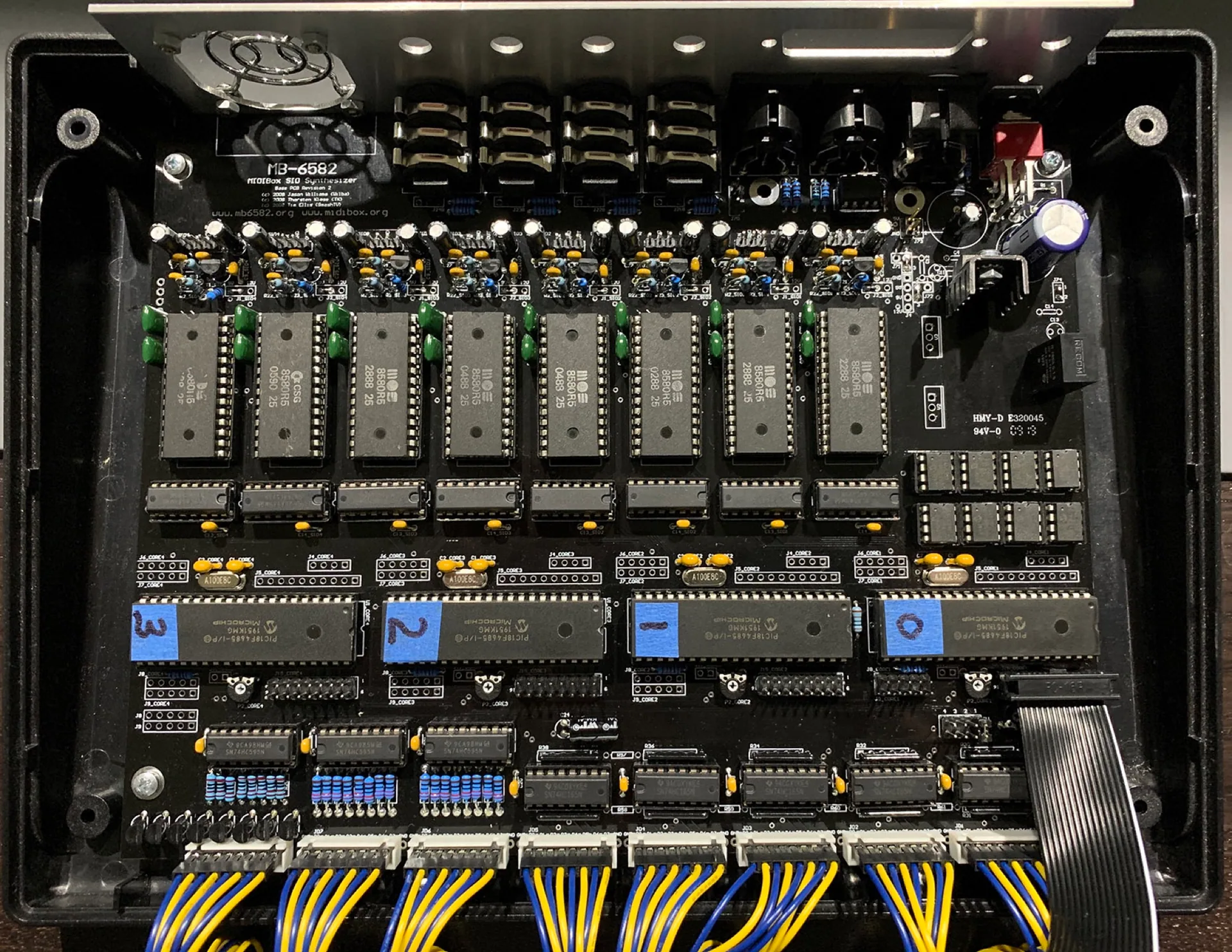
Eight old SID chips in one synthesizer. A build of Wilba's MB-6582, running Thorsten Klose's MidiBox software, with a rather densely populated control panel.
At fourteen, a knee condition put an end to competitive sports. My parents bought me a Commodore 64. I learned BASIC, then 6502 assembly, made games, and found people on bulletin boards who were just as absorbed in it as I was.
That turned into a career. For more than two decades I've built and led the infrastructure behind electronic trading, as global head of trading-systems infrastructure and DevOps, and before that as a chief infrastructure architect. The part I'm proudest of is a greenfield low-latency trading platform, designed from scratch, that cleared more than $2 billion in notional flow within six months of launch.
These days I'm most interested in what happens when an AI can work with a real system: read its logs, query its data, and help someone figure out what to do next. I'm careful about what it gets to change. The hardest parts turn out to live in the pipeline, in the harness, the guardrails, and the observability. Get those right and the AI earns a user's trust. Working with trading systems will do that to you.
The projects here are my own. Some solve a problem at home. Some let me try an idea I can't leave alone. And some are simply an excuse to spend a weekend with a soldering iron.
Thanks for having a look.
Darrell
04 / Compare notes
What are you
working on?
Found something useful here? Building something related? I'd enjoy hearing about it.
Google sign-in keeps the spam out. Your name and email accompany your message.